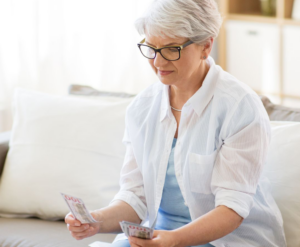
From the outside, everything can look fine. You smile. You manage conversations. You show up for others. To most people, it may seem like you are coping well. But behind closed doors, the reality can feel very different.
When you return home – to the place that is meant to feel safe and comforting – you may instead feel overwhelmed, exhausted, and deeply alone. This is a feeling many daughters, sons, partners, and loved ones supporting someone with dementia experience, but few speak about openly.
The Loneliness No One Sees
Caring for someone living with dementia is not just physically demanding – it is emotionally complex in ways that are difficult to explain.
Many daughters, sons, and partners supporting a loved one describe feeling:
• Alone in their responsibilities
• Misunderstood by friends or extended family
• Disconnected from their previous life
• Emotionally drained, even when surrounded by people
You may find yourself in a room full of others, yet still feel like no one truly understands what you are going through. That quiet sense of isolation can be one of the hardest parts of the journey.
“But You Seem Fine…”
One of the biggest challenges is that supporting someone with dementia is often invisible.
Others may not see:
• The constant decision-making
• The emotional toll of watching a loved one change
• The exhaustion from disrupted sleep or routine
• The grief that comes in small, daily moments
Because of this, it can feel as though you are carrying something heavy – completely on your own.
Why Support Matters
No one should have to navigate this journey alone. Having the right support structure can make a profound difference – not only in how you cope, but in how you experience each day.
Support is not just about practical help. It is about:
• Being understood without needing to explain everything
• Having a safe space to speak honestly
• Connecting with others who truly “get it”
• Feeling less isolated in your experience
When you are surrounded by people who understand your journey, even the most difficult days can feel more manageable.
Finding Your Safe Space
Support can take many forms – family, professional guidance, or connecting with others who are on a similar path. For many people supporting a loved one with dementia, one of the most valuable sources of support is being part of a community where they don’t have to pretend.
A space where:
• You don’t have to hide how you feel
• You don’t have to explain the basics of dementia
• You can speak openly, without judgement
• You feel seen, heard, and supported
These spaces are not just helpful – they are essential.
You Are Not Alone
If you have ever felt alone in your journey, it does not mean you are doing something wrong. It simply means you are carrying something incredibly difficult. And you don’t have to carry it by yourself.
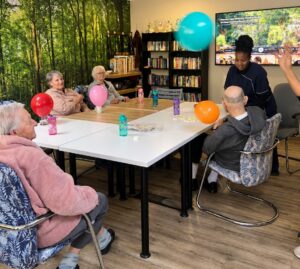
At Protea Memory Clinic, we understand that dementia affects more than just the individual – it affects the entire family. That’s why support extends beyond residents to include their loved ones. Through guidance, compassionate care, and opportunities for connection, families are encouraged to find support, understanding, and reassurance.
We also host regular support group sessions – creating a space where families and loved ones can connect with others who truly understand the journey. Sometimes, just knowing that someone else understands can make all the difference.
A Gentle Reminder
You may be doing your best to stay strong for someone else. But you deserve support too. You deserve to be heard, understood, and supported – not just for the role you play, but for who you are.
References
Alzheimer’s Association – Caregiver stress and support
https://www.alz.org/help-support/caregiving/caregiver-health
Alzheimer’s Society – Carer’s assessments
https://www.alzheimers.org.uk/get-support/legal-financial/carers-assessment
Family Caregiver Alliance – Emotional stress and caregiver support
https://www.caregiver.org/resource/caregiver-health/
National Institute on Aging – Caring for a person with Alzheimer’s disease
https://www.nia.nih.gov/health/alzheimers/caregiving