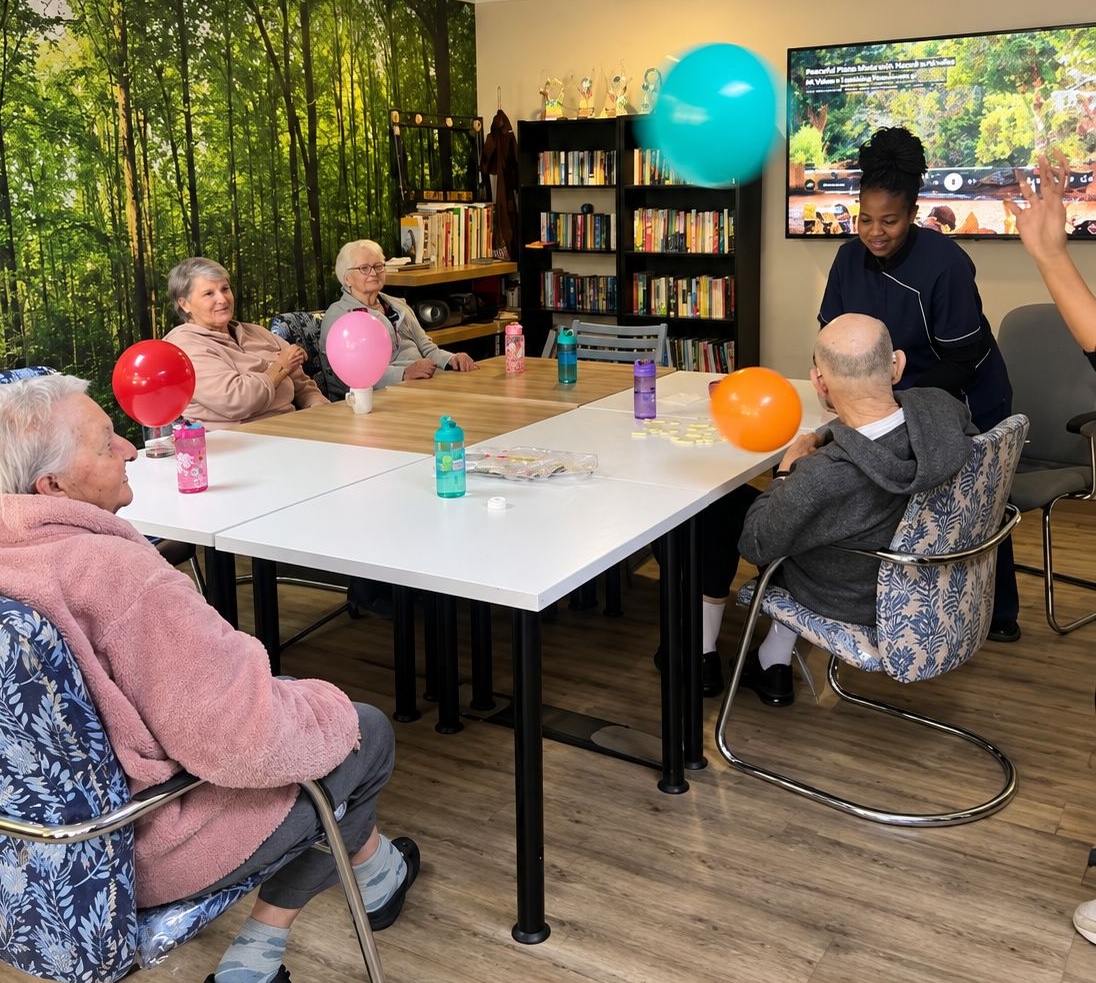
Memory Care Shouldn’t Mean Isolation: Why Community Connection Matters
Moving a loved one into a memory care facility can bring many emotions for a family. Alongside the reassurance of knowing that specialised care and


Moving a loved one into a memory care facility can bring many emotions for a family. Alongside the reassurance of knowing that specialised care and

There are always interesting developments in the world of dementia research, with scientists continually exploring new ways to better understand Alzheimer’s disease, its causes and

Moving a loved one into an assisted living, frail care or specialised dementia care facility is a major decision for any family. Alongside the emotional
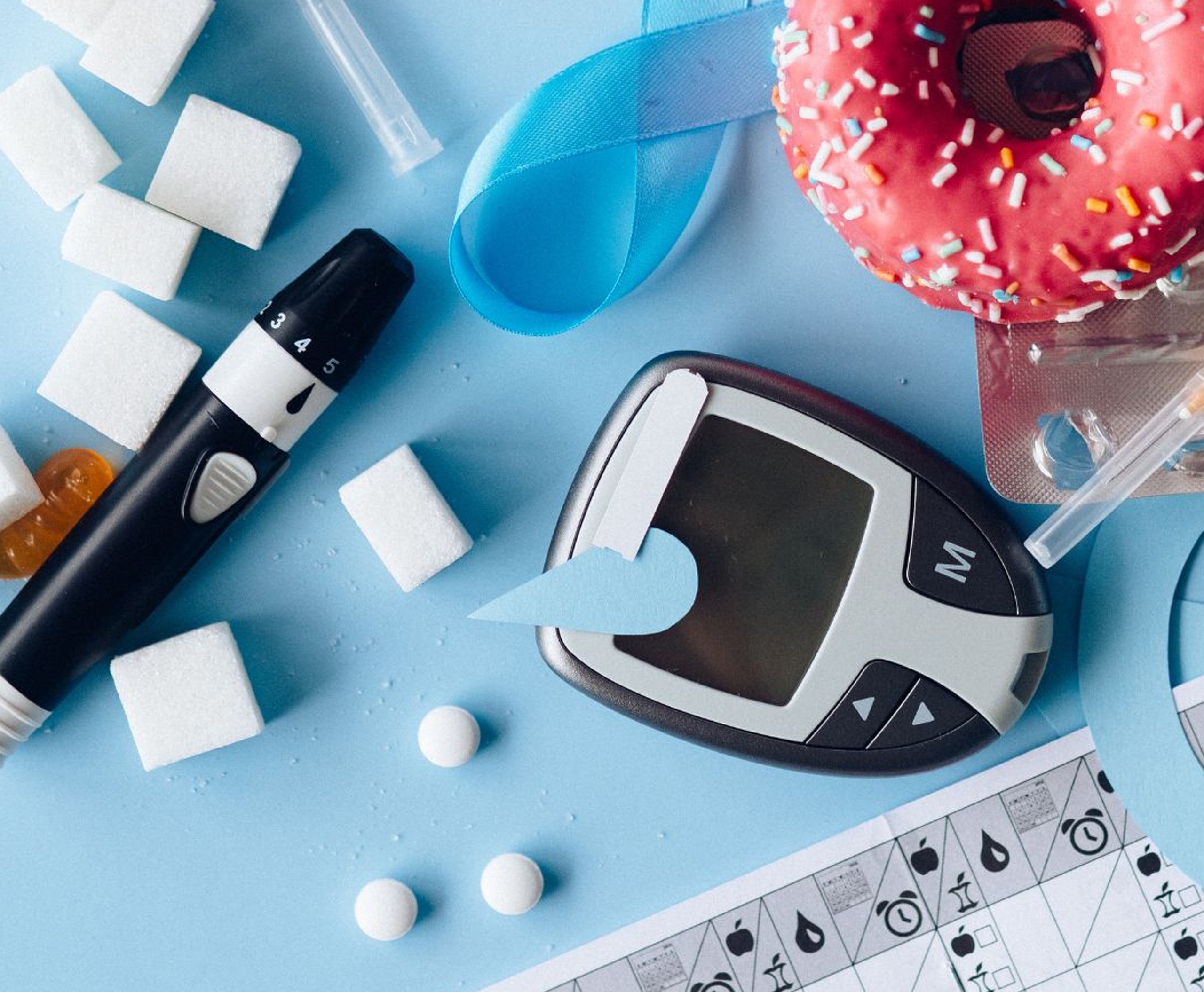
When we think about diabetes, we tend to think about blood sugar, diet and physical health. When we think about Alzheimer’s disease or dementia, we

When we think about dementia care, oral health is not always the first thing that comes to mind. However, growing research suggests that looking after

A beautiful garden is often seen as a pleasant feature of a care facility. But for people living with dementia, thoughtfully designed outdoor spaces can

As winter settles in, many people notice they feel less energetic, spend more time indoors, and adjust their daily routines. For someone living with dementia,

Music has a remarkable ability to transport us back in time. A familiar melody can remind us of a childhood memory, a first dance, or

For many families, the first instinct after a dementia diagnosis is to keep their loved one at home for as long as possible. Home provides

When we think about protecting brain health, we often focus on nutrition, exercise, or keeping mentally active. Yet one of the most powerful tools for

A recent medical breakthrough in South Africa has sparked hope for families affected by dementia.
Dr Ben Moodie, a plastic and reconstructive surgeon based at Cintocare Hospital in Pretoria, has performed an experimental procedure that could potentially change how we understand and treat dementia in the future.

From the outside, everything can look fine. You smile. You manage conversations. You show up for others. To most people, it may seem like you are coping well. But behind closed doors, the reality can feel very different.

When people think about supporting brain health, they often focus on diet, exercise, or medication. Yet one of the most important – and often overlooked – factors is something much simpler: hydration.
For older adults, and especially for those living with dementia, staying well hydrated can have a real impact on memory, mood, comfort, and overall well-being.

One of the most difficult questions families face when caring for a loved one with dementia is: “When is the right time to consider an assisted living facility?”
There is rarely a single moment that makes the decision obvious. More often, it’s a gradual realisation – a combination of small changes, growing risks, and increasing care needs.

When people think about life in a care home, they often imagine residents sitting quietly or passing time with simple entertainment. However, modern dementia care

When caring for someone living with dementia, the environment around them plays an important role in how they feel, move, and interact with the world

Omega-3 fatty acids have long been recognised for their role in supporting heart health, but an exciting and growing body of research now highlights their potential benefits for the brain as well. For families caring for someone with memory changes or dementia, omega-3 oils may form part of a broader, supportive strategy aimed at maintaining cognitive well-being and overall quality of life.

As temperatures rise, summer can bring added challenges for older adults, particularly those living with dementia. While warmer weather often encourages outdoor activity, family visits, and a more relaxed routine, it can also introduce serious health risks if heat exposure is not carefully managed.

Technology is moving quickly – and in 2025, some of the most meaningful innovations in dementia care aren’t about gadgets to wear, but about tools that support daily living, communication, and emotional well-being.
While technology will never replace human care, new developments are showing real promise in helping people with dementia feel safer, calmer, and more connected, while also easing the load on families and care teams.

Scientists are increasingly looking beyond traditional medications to explore how everyday foods and drinks may support brain health and reduce the risk of dementia. One familiar beverage now attracting attention is green tea – a drink enjoyed worldwide and long associated with general health benefits.

Many families supporting a loved one with dementia often ask:
“Is there anything more we can do to help?”
The encouraging answer from recent research is yes. While dementia is a medical condition, day-to-day habits and lifestyle routines play a meaningful role in supporting brain health, improving mood, and helping people maintain their abilities for longer.
Major studies – including the Lancet Commission’s 2024 update, the groundbreaking FINGER trial, and early findings from the U.S. POINTER study – show that healthy, structured routines can meaningfully support cognitive function, even after symptoms begin. These studies reinforce something many caregivers intuitively feel: small daily habits add up.

When someone you love has dementia, it’s easy to assume that every change in behaviour, mood, or communication is due to “the dementia getting worse.” But that’s not always the case.
Very often, the problem is hearing or vision loss on top of dementia. New research is showing that treating hearing and vision problems can improve communication, reduce frustration, and support clearer thinking. In other words, helping the senses work better can make day-to-day life easier and more enjoyable – for both the person living with dementia and their family.

For many families supporting someone living with dementia, one of the greatest concerns is wandering – when a loved one becomes disoriented and unintentionally leaves

Imagine a world where detecting the earliest signs of Alzheimer’s disease doesn’t require an expensive brain scan or invasive spinal test – just a simple

As we begin to move toward the festive season and the closing weeks of the year, it’s a good time to pause and look ahead. For many caregivers and nurses supporting people living with dementia, this time of year can bring unique emotional and practical challenges – even before the holiday rush begins.

October marks World Mental Health Month, a time when people around the world come together to talk about something we all experience in different ways – our mental health. It’s a reminder that looking after our emotional well-being is just as important as taking care of our physical health.

When we think about dementia, we often picture memory loss, confusion, and daily care needs. But there’s another side of the story that many families

Did you know that every year on 21 September, the world pauses to shine a light on Alzheimer’s and dementia? It’s called World Alzheimer’s Day,

Imagine if doctors could spot the earliest signs of dementia years before memory loss even begins. Thanks to new research from Mass General Brigham, that possibility is becoming real.
Scientists have created a new tool powered by artificial intelligence (AI) that looks at brain wave patterns during sleep to detect very early changes linked to dementia. These brain waves are measured using a simple, non-invasive test called an EEG (electroencephalogram), which records brain activity while you sleep.

Some people in their 80s have minds as sharp as those decades younger. They remember names, follow conversations, and think quickly – just like they did in their 50s or 60s. Researchers call them SuperAgers.
Scientists at Northwestern University have been studying these remarkable individuals to understand what keeps their brains so healthy. The answers could help us all learn how to protect our memory and reduce the risk of dementia.