A beautiful garden is often seen as a pleasant feature of a care facility. But for people living with dementia, thoughtfully designed outdoor spaces can be so much more than that.
Around the world, dementia care providers are increasingly recognising the therapeutic value of gardens. Research shows that spending time in nature can improve mood, reduce agitation, encourage social interaction, and enhance overall quality of life.
At Protea Memory Clinic, we are excited to be upgrading our gardens because we understand that the environment plays an important role in supporting the health and well-being of our residents.
More Than Just Fresh Air
People living with dementia often experience anxiety, restlessness, or confusion. Spending time outdoors in a calm, familiar setting can provide gentle sensory stimulation while creating opportunities for relaxation and meaningful engagement.
Research has shown that therapeutic gardens may help to:
• Reduce agitation and stress.
• Improve mood.
• Encourage physical activity.
• Increase social interaction.
• Promote meaningful engagement.
• Reduce time spent in passive or withdrawn activities.
While gardens are not a treatment for dementia, they are recognised as an important non-pharmacological approach that complements quality dementia care.
Why Gardens Work So Well
Nature stimulates all the senses. The scent of flowers, the sound of birds, the warmth of the sun, and the feel of plants can all evoke positive emotions and memories.
Gardening activities, even something as simple as watering plants or walking through a garden, can help provide purpose, routine, and enjoyment. For many people, gardens also encourage conversation as familiar flowers, vegetables, or trees trigger memories from earlier in life.
Creating Spaces That Feel Like Home
Modern dementia care increasingly focuses on creating environments that feel safe, familiar, and welcoming.
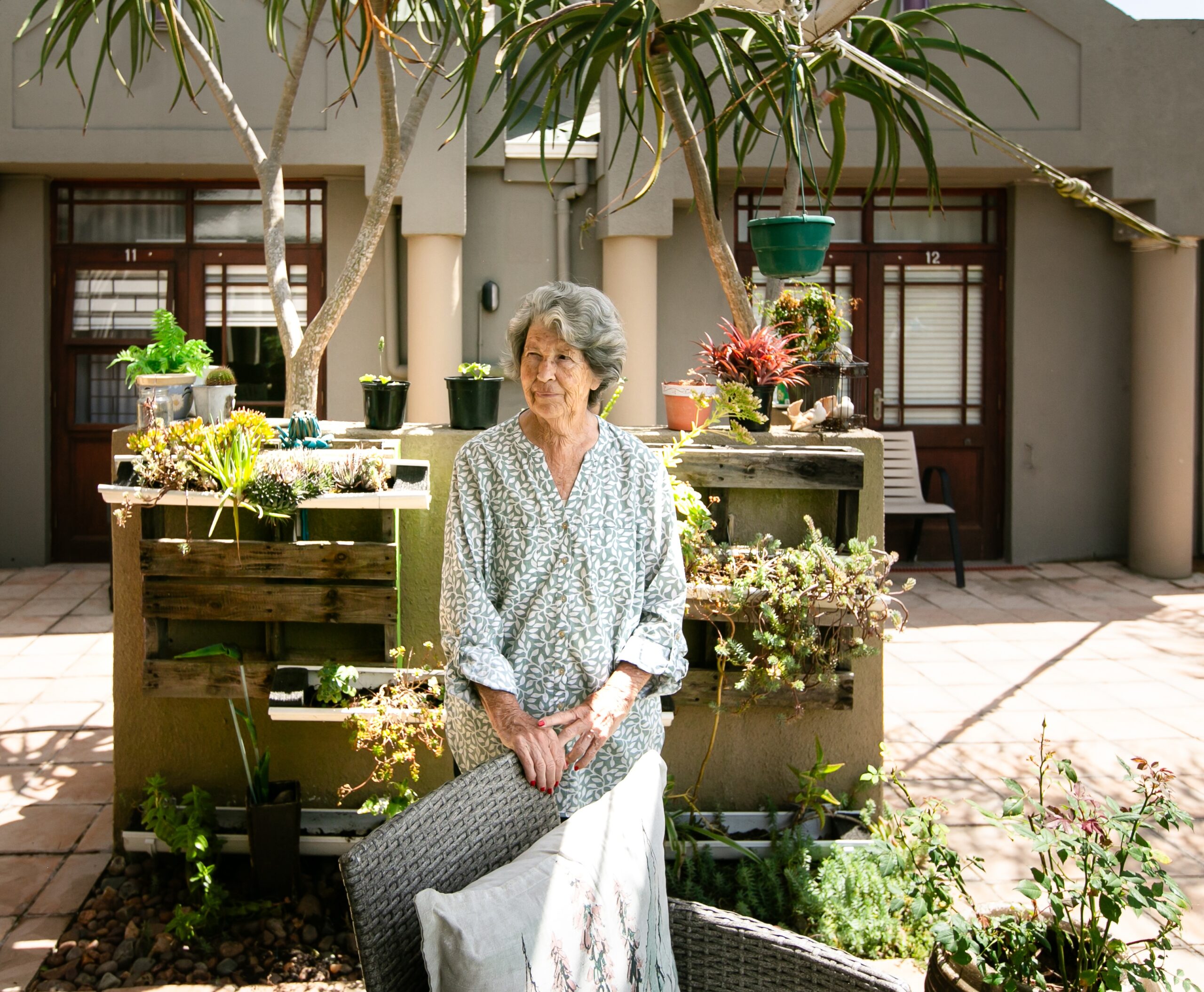
Thoughtfully designed gardens often include:
• Easy-to-follow walking paths.
• Comfortable seating areas.
• Colourful flowers and sensory plants.
• Safe, accessible spaces.
• Areas for quiet reflection or social interaction.
These environments encourage residents to remain active while supporting both physical and emotional well-being.
Protea Memory Clinic’s Garden Project
At Protea Memory Clinic, we believe that exceptional dementia care extends beyond the walls of the facility. Our garden upgrade reflects our commitment to creating beautiful outdoor spaces where residents can relax, socialise, enjoy fresh air, and participate in meaningful activities.
Combined with our personalised care, engaging daily programme, and compassionate team, these outdoor areas will further enhance the warm, homely environment we strive to provide.
An Environment That Supports Well-Being
Dementia care is about much more than clinical support. The right environment can have a profound impact on how someone feels each day.
At Protea Memory Clinic, every aspect of our facility is designed to promote comfort, dignity, connection, and quality of life. Our investment in our gardens is another example of our commitment to providing residents with a nurturing environment where they can continue to experience joy, purpose, and meaningful moments every day.
References
Effectiveness of Therapeutic Gardens for People with Dementia: A Systematic Review. International Journal of Environmental Research and Public Health.
https://pmc.ncbi.nlm.nih.gov/articles/PMC8469939/
Impact of Dementia-Landscaped Therapy Garden on Psychological Well-Being – A Pilot Study. Journal of Neural Transmission (2025).
https://doi.org/10.1007/s00702-025-02917-z
Effects of a Garden Use Intervention on Daily Life and Quality of Life Among Nursing Home Residents Living with Dementia (2026).
https://journals.sagepub.com/doi/abs/10.1177/00139165261448999
Nature-Based Approaches to Dementia, Cognitive Impairment, and Caregiver Well-Being: A Scoping Review of Gardening and Therapeutic Strategies (2026).
https://www.sciencedirect.com/science/article/pii/S0167494326000245